← Home / Tanzania Packing Guide
Preparing for Tanzania’s dramatic landscapes means packing for extreme environmental shifts. Whether you are tracking the Great Migration across the dry, sun-baked plains of the Serengeti or standing along the high volcanic rim of the Ngorongoro Crater, your gear strategy must account for intense morning cold, fine volcanic dust, and strict luggage parameters on local internal flights.
1. Tanzania Safari Luggage Restrictions: Weight Limits & Bag Rules
If your itinerary includes hopping between parks using regional domestic flights (such as flying from Arusha straight into the central Serengeti), weight regulations are strictly enforced for flight safety.
- The Soft Duffel Standard: Small bush aircraft utilize small, narrow under-belly pods to stow luggage. Hard-shell suitcases with rigid frames or extended wheel assemblies will not fit. Your checked bag must be a completely malleable, soft-sided duffel.
- The 15kg Allowance: Total checked baggage limits generally sit at a maximum of 15kg (33 lbs) per traveler, inclusive of hand luggage. To help keep your bag light, nearly all premium safari camps across the northern circuit offer standard daily laundry services.
Planning your East African safari?
Don't let logistics create unnecessary stress. Let Kathryn design a fully integrated, completely vetting Tanzanian safari plan optimized around your travel window.
Request a Custom Tanzania Route Layout
2. What to Wear on Safari: Layering for Changing Temperatures
Tanzania’s diverse typography creates distinct weather systems within short distances. While the low-lying plains remain warm, higher altitudes require dedicated protection.
- The Ngorongoro Rim Cold: The rim of the Ngorongoro Crater sits at an altitude of over 2,200 meters. Early morning departures and evening returns can see temperatures plunge down to single digits. You must bring warm fleece layers, a windbreaker jacket, a lightweight beanie, and a scarf.
- Neutral Bush Color Schemes: Pack lightweight clothing in tan, khaki, beige, and light olive. Avoid pure white (which makes you easily visible to wildlife) and dark navy or black tones, as these colors are highly attractive to biting tsetse flies within the riverine woodland belts.
- Breathable Footwear: Sturdy trainers or light trail shoes are perfect for game drives and casual bush walks. Avoid heavy hiking boots unless you are attempting a dedicated climb up Mount Kilimanjaro or Mount Meru.
3. Best Technical Gear - Dust Protection
The open-top configuration of overland 4x4 vehicles allows for incredible panoramic viewing, but it exposes sensitive photographic glass and electronics to the elements.
- Camera Shields & Ziploc Bags: The Serengeti pan creates incredibly fine, blowing alkaline dust during the dry season. Bring protective wraps or dust bags for your active camera bodies, alongside clean microfibre cloths and a blower bulb to clean your optics after game drives.
- High-Resolution Tracking Optics: A high-quality personal pair of 8x42 or 10x42 binoculars is absolute key for scanning distant savanna borders, allowing you to easily spot lions resting in tree canopies or leopards tucked in kopje rocks.
- Wide-Brim Hats & Polarized Sunglasses: The East African sun is intense. A wide-brim hat featuring a chin strap (to prevent it blowing off in moving safari vehicles) and high-quality polarized sunglasses are mandatory to prevent severe glare fatigue.
4. Health Protection for Tanzania
Traveling deep into remote wilderness regions across East Africa means managing necessary medical requirements well ahead of your international flight.
- Malaria Prophylactics: The northern safari circuit contains malaria-risk zones. It is critical to speak with your travel clinic or GP several weeks before departure to obtain the appropriate preventative medication.
- Yellow Fever Certificates: If you are entering Tanzania from a country where Yellow Fever is endemic (including transit windows through regional airport hubs like Nairobi, Kenya), you are legally required to present an official Yellow Fever Vaccination Certificate at immigration.
- Insect Defense & Field Kits: Pack high-concentration DEET or picaridin insect repellents to shield against mosquitoes and tsetse flies. Always carry a personal medical kit containing anti-diarrheal tablets, rehydration salts, broad-spectrum antiseptic creams, and any personal prescriptions.
Are you planning to extend your Tanzanian safari into a relaxing beach getaway on the historic spice island of Zanzibar, or taking a rugged route through the southern reserves of Selous and Ruaha? Let us know when you request your custom quote below!
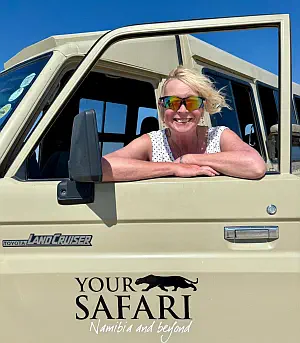
About The Vetting Expert: Kathryn Haylett
Kathryn is a veteran field explorer, author of "The Photographer’s Guide to Etosha," and the founder of Your Safari. She designs custom, safe, and breathtaking itineraries backed by 25+ years of personal African driving experience.