← Home / Kenya Packing Guide
Preparing for Kenya means getting ready for classic, wide-open savanna horizons. Whether you are scanning the rolling grasslands of the Masai Mara for the dramatic river crossings of the Great Migration or tracking large elephant families across Amboseli, your packing choices must adapt to strict domestic baggage rules, fine plains dust, and shifting equatorial temperatures.
1. Kenya Safari Luggage Restrictions: Weight Limits & Bag Rules
Because elite luxury camps across the Masai Mara, Samburu, and Laikipia are best reached using small domestic aircraft flying out of Nairobi's Wilson Airport, strict baggage policies are enforced directly by regional carriers for flight safety.
- The Soft-Sided Duffel Requirement: Hard-shell suitcases or bags with rigid external metal frames and wheels cannot fit inside the small, restrictive luggage pods of safari planes. Your main baggage must be entirely soft-sided.
- The Strict 15kg Weight Ceiling: Your checked bag must not exceed 15kg (33 lbs), including your hand luggage. To help keep your gear lightweight, nearly all premium Kenyan safari lodges provide daily laundry services as part of your stay.
Planning your dream Kenyan expedition?
Don't let packing logistics or eTA details complicate your preparation. Let Kathryn design an optimized, seamlessly vetted itinerary customized for your travel dates.
Request a Custom Kenya Route Layout
2. What to Wear on Safari: Layering for Changing Temperatures
Equatorial game drives present a wide range of temperatures. While mid-day tracking is hot, early mornings on the open plains can be surprisingly chilly.
- Layering for Morning Drafts: Early morning safaris in open-sided 4x4 vehicles create significant wind chill, particularly in high-altitude zones like the Mara or Amboseli. Bring a warm fleece, a windbreaker jacket, a lightweight scarf, and a beanie that you can peel off as the sun rises.
- Strict Neutral Colors: Pack breathable clothing in khaki, tan, brown, beige, and light olive green. Do not pack bright neon colors or pure white, which stand out to wildlife. Avoid dark navy blue or solid black, as these specific dark tones attract biting tsetse flies in wooded areas.
- Comfortable Trail Footwear: Sturdy trainers or light trail shoes are perfect for spending hours inside the vehicle and walking around the camps. Heavy hiking boots are unnecessary unless you are booking a dedicated trek up Mount Kenya.
3. Best Camera Gear for Safari: Lenses, Bodies & Accessories
The open-sided configuration of premium Kenyan tracking vehicles offers panoramic lines of sight, but it exposes camera gear to fine, dry savanna dust.
- Dust Wraps & Cleaning Bulbs: Fine volcanic dust can easily drift onto lenses. Bring protective neoprene covers, lightweight dry sleeves, a blower bulb, and lens cloths to safely clean your bodies and glass elements after tracking drives.
- High-Quality Field Binoculars: A personal pair of 8x42 or 10x42 binoculars is necessary to fully enjoy the wide plains, allowing you to comfortably track leopard movements along riverbanks or witness distant migration crossings.
- Sun Hats & Polarized Protection: Bring a wide-brim hat with a toggle chord to keep it secure in moving vehicles. Polarized sunglasses are critical to protect your eyes from the bright mid-day glare on the open grasslands.
4. Kenya Entry Requirements: eTA, Visas & Health Prep
Traveling into East Africa's wilderness requires tracking vital international administrative and health requirements well in advance of departure.
- The Mandatory Kenya eTA: Kenya has replaced traditional visas with an electronic Travel Authorization (eTA). You must apply online through the official government portal before flying, keeping a printed copy of your approved eTA sheet with your passport.
- Malaria Prophylactics: The low-lying savanna parks are malaria-risk zones. Speak with your travel clinic or GP a few weeks prior to your trip to secure the correct preventative script.
- Yellow Fever Guidelines: If you are entering Kenya from an endemic Yellow Fever zone (or transiting through countries with risk), an official Yellow Fever Vaccination Certificate is required at border customs. Pack a comprehensive personal medical kit with anti-diarrheal tablets, insect repellent (high DEET), and rehydration packs.
Are you combining your Masai Mara safari with a relaxing coastal stay in Diani Beach, or a journey across the Great Rift Valley lakes? Let us know when we assemble your custom travel plan!
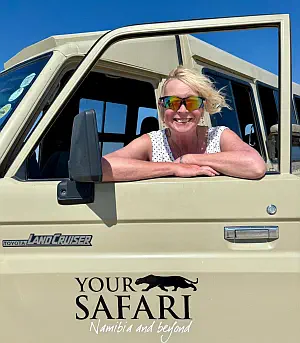
About The Vetting Expert: Kathryn Haylett
Kathryn is a veteran field explorer, author of "The Photographer’s Guide to Etosha," and the founder of Your Safari. She designs custom, safe, and breathtaking itineraries backed by 25+ years of personal African driving experience.