← Home / Botswana Packing Guide
Unlike the vast desert tracks of Namibia, preparing for Botswana means getting ready for a pure water wilderness. Whether you are navigating the intricate channels of the Okavango Delta by mokoro or trailing massive elephant herds along the Chobe River, your packing strategy must adapt to strict flight weight ceilings and unique environmental elements.
1. Botswana Light Aircraft Luggage Restrictions & Soft Duffel Rules
Because the best lodges in the Okavango Delta, Linyanti, and Savuti concessions are entirely remote and only accessible via small light aircraft (such as Cessna Caravans), luggage parameters are absolute laws enforced by air traffic control.
- The Soft-Sided Duffel Requirement: Rigid, hard-shell suitcases featuring internal metal structures or exterior wheels cannot physically fit inside the narrow, curved belly pods of safari planes. Your baggage must be completely soft-sided with no rigid frames.
- The Strict 15kg Weight Ceiling: Your checked luggage cannot exceed 15kg (33 lbs), alongside a small 5kg daypack for your loose tracking optics. To help you travel light, nearly all premium Botswana luxury lodges provide complimentary, daily laundry services as part of your stay.
Planning your dream delta expedition?
Don't let luggage compliance panic ruin your preparation. Let Kathryn craft an optimized, fully-vetted Botswana luxury fly-in itinerary configured for your schedule.
Request a Custom Delta Route Layout
2. Specialized Photographic Safari Gear for Wetlands & Waterways
Botswana safaris place you right down at water level. Slow-moving water tracking commands smart, secure shielding for sensitive technical electronics and lens glass.
- Roll-Top Waterproof Dry Bags: Small boat cruises along the Chobe River and traditional mokoro canoe trips through delta reed beds will expose your active camera gear to sudden splashes. Pack a durable, lightweight dry bag to stash your camera housings instantly.
- High-End Multi-Coated Binoculars: Tracking wildlife across marshy plains means apex predators are often spotted stalking prey across deep water channels. A top-tier, personal pair of binoculars is absolute key for scanning distant islands.
- Polarized Anti-Glare Sunglasses: The blinding sun reflecting off crystal-clear water channels creates intense eye fatigue. Bring high-quality polarized lenses to cut through the reflection and see deeper into the aquatic delta pools.
3. Okavango Delta Clothing Selections & Insect Defense
The combination of dense riverine woodland vegetation and permanent surface delta water systems requires a deliberate clothing defense matrix.
- Strict Neutral Bush Tones: Avoid wearing bright whites or dark navy and blacks. White surfaces stand out like warning beacons to big game, while dark navy and black fabrics actively attract tsetse flies in woodland belts. Pack light olive green, tan, khaki, and soft stone tones.
- Long-Sleeved Shielding Layers: Pack breathable, fast-drying long-sleeved shirts and loose-fitting trousers. Because the delta is a thriving wetland system, reliable insect defense during early morning game drives and evening sundowners is critical. Bring high-potency DEET or picaridin sprays.
- Raised Platform Footwear: Since most tracking occurs directly from safari vehicles, motorboats, or stable dugout canoes, lightweight trail shoes or sturdy running trainers are ideal. Bring simple flip-flops for navigating your elevated wooden deck lodge runways.
4. Okavango Delta Fly-In Safari Health Requirements & Medical Safety
Operating deep within pristine wetlands means being proactive regarding medical preparation well before reaching your departure airstrip.
- Malaria Prophylactics: The entire Okavango Delta and Chobe River system are designated malaria-risk zones due to year-round surface water profiles. Consult your GP or travel health clinic well in advance to secure the correct preventative script.
- Airtight Medical Kits: Always carry your own personal first aid pack stocked with broad-spectrum antibiotics, anti-diarrheal tablets, oral rehydration salts, antiseptic swabs, antihistamine creams for bug bites, and any ongoing prescription meds.
Are you pairing your Botswana wetlands adventure with a spectacular fly-in extension to view Victoria Falls, or taking a rugged overland route through the Makgadikgadi Salt Pans? Let us know when you request your custom itinerary breakdown below!
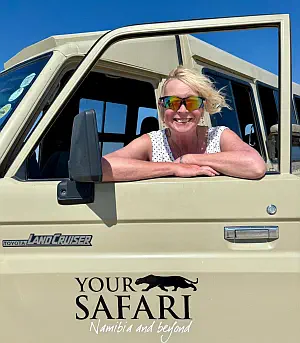
About The Vetting Expert: Kathryn Haylett
Kathryn is a veteran field explorer, author of "The Photographer’s Guide to Etosha," and the founder of Your Safari. She designs custom, safe, and breathtaking itineraries backed by 25+ years of personal African driving experience.